
Showing posts with label fitness motivation. Show all posts
Showing posts with label fitness motivation. Show all posts
7 Habits of Highly Effective Exercisers
Despite what you may think, the trick to exercising regularly isn't finding your inner enforcer. Rather, "it's getting creative and tapping your natural motivations," says Kelly McGonigal, PhD, a health psychologist and fitness instructor at Stanford. We asked women who work up a sweat almost every day for their stick-with-it solutions. Check out our seven fail-proof favorites.
Why it works: Visual cues are a wake-up call to your brain. "We all have competing priorities like work, family, chores. Sometimes we need a reminder to keep exercise at the forefront," McGonigal says.
Do it yourself: If you don't have the space to display your gear (or if it'll mess with your decor), choose just one or two prime locations that you'll never miss. Better yet, "pick places where you spend a lot of time and can use the equipment, like by the TV or the phone," says Amanda Visek, PhD, assistant professor of sport and exercise psychology at George Washington University in Washington, D.C.
Why it works: Running, walking, or biking somewhere you have to go anyway makes exercise feel time-efficient. "And you don't have to carve out another part of your day for it," says Michelle Fortier, PhD, professor of health sciences at the University of Ottawa. "It's an effective strategy for people who are busy from morning to night."
Do it yourself: Your logistics may be a bit more complex if you drive to work or don't have good public transportation at your disposal. Maybe you can carpool in the morning or park your car a mile from the office and speed walk the distance to and from your job. If you don't have a safe place at work to stash your stuff, invest in a lightweight backpack with waist and chest straps (we like Patagonia's Pocket Pack; $69, patagonia.com) or swap your purse for a fanny pack on days that you plan to run home.
Why it works: "Having the right clothing doesn't just remove a hurdle; it reinforces your identity as an exerciser," McGonigal says. "And when exercising is an integral part of your identity, it isn't optional anymore. It's just part of your life." Plus, you've got to wear those adorable new workout clothes somewhere.
Do it yourself: Stock up on at least a week's worth of gym outfits to eliminate any last-minute hand washing in the sink. Think of it as spending now to save yourself grief later. To truly simplify your life, you may want to get several of the same tops and bottoms. "There's no time-consuming decision making that way," says Patricia Moreno, a FITNESS advisory board member and body and mind coach for the Web site SatiLife. "Look for basics that are comfy and show off your assets — whether that's your shoulders or your abs — so you feel good just suiting up."
Why it works: Social networking sites like Facebook and DailyMile offer an extra layer of social support. "You've got potentially all of your online contacts holding you accountable," says Michele Olson, PhD, a FITNESS advisory board member and professor of exercise science at Auburn University at Montgomery in Alabama.
Do it yourself: Choose a social platform or online fitness tool. Then get in the habit of chronicling your progress after your workout every day so that your friends know when you usually exercise — and when you've slacked off. Post your minutes, your miles, or whatever motivates you most.
Why it works: Strong feelings, especially antipathies, have a multiplier effect. "Losing $10 to an enemy feels like $20 or even $30, so you push yourself harder," says Dean Karlan, PhD, professor of economics at Yale and a founder of Stickk.
Do it yourself: On Stickk, you can pledge to give a minimum of $5 to a charity or an individual (you provide the name and address) you like if you meet your goal or to one you dislike if you fall short. (Your credit card is charged.) Or sign up to raise money for a charity on the Web site Plus 3 Network: You pick from a list of goals that have prearranged corporate sponsors; if you meet yours, they'll pay the charity.
Why it works: It's smart time management. "You get your social fix while doing physical activity," Fortier says. Both boost health, and the better you feel, the likelier you are to want to exercise.
Do it yourself: Some classes foster friendships more than others, so you'll have to do some sleuthing. "Arrive early and observe," suggests Moreno, who teaches IntenSati, a mix of aerobics, dance, yoga, and kickboxing. "Are people staking out their places in silence, or are they chatting and laughing and flitting around the room?" Another good sign: The instructor seems to know everyone's name.
Why it works: Competition turns a solitary pursuit into a fun group one. "By trying to beat each other, you're actually pulling each other along," Visek says. "Even playful heckling validates that you're working toward a similar goal."
Do it yourself: The contest can be for anything: most steps walked, most hours logged at the gym, highest percentage of body weight lost. Aim for anywhere from four to 10 participants. "Fewer than that, and one person who's not really trying can hobble the group. More than that, and it's hard for everyone to interact," Visek explains. To keep group members engaged, limit the competition to six-week rounds and have weekly check-ins, when people put money in the jar. "Your incentive is regularly refreshed in your mind that way," Visek says. Once everyone has agreed to the rules, let the games begin!

1. Don't put away your gear.
From the moment she rises, Kristina Monét Cox, 26, has exercise on the brain. That's because the first things she sees are her sneakers and workout clothes. "I've got them next to the bed in plain sight," says Kristina, the CEO of a communications firm in Houston. "I've also got dumbbells right where I can see them in the bathroom, and a balance ball, a yoga mat, and a jump rope strategically placed throughout the house." Forgetting to exercise is never her problem.Why it works: Visual cues are a wake-up call to your brain. "We all have competing priorities like work, family, chores. Sometimes we need a reminder to keep exercise at the forefront," McGonigal says.
Do it yourself: If you don't have the space to display your gear (or if it'll mess with your decor), choose just one or two prime locations that you'll never miss. Better yet, "pick places where you spend a lot of time and can use the equipment, like by the TV or the phone," says Amanda Visek, PhD, assistant professor of sport and exercise psychology at George Washington University in Washington, D.C.
2. Turn your commute into a workout.
On days that Monica Vazquez, 27, a master trainer for New York Sports Clubs in New York City, can't do her usual run, she stuffs her essentials — keys, cash, credit card, phone and ID — into a fanny pack and jogs home from work instead. "Running is a great workout, but it's also great transportation," she says. "Sometimes I get home even earlier than I normally do taking the subway."Why it works: Running, walking, or biking somewhere you have to go anyway makes exercise feel time-efficient. "And you don't have to carve out another part of your day for it," says Michelle Fortier, PhD, professor of health sciences at the University of Ottawa. "It's an effective strategy for people who are busy from morning to night."
Do it yourself: Your logistics may be a bit more complex if you drive to work or don't have good public transportation at your disposal. Maybe you can carpool in the morning or park your car a mile from the office and speed walk the distance to and from your job. If you don't have a safe place at work to stash your stuff, invest in a lightweight backpack with waist and chest straps (we like Patagonia's Pocket Pack; $69, patagonia.com) or swap your purse for a fanny pack on days that you plan to run home.
3. Invest in more workout clothes.
For years, Gina Cancellaro, 36, a paralegal in Bronxville, New York, owned only one sports bra. "I didn't want to spend the money," she admits. Then one day she realized that this was a barrier to her working out: "My usual excuse was that it wasn't clean." So she went to the mall and loaded up on bras — and cute tops and shorts. Now she exercises five days a week.Why it works: "Having the right clothing doesn't just remove a hurdle; it reinforces your identity as an exerciser," McGonigal says. "And when exercising is an integral part of your identity, it isn't optional anymore. It's just part of your life." Plus, you've got to wear those adorable new workout clothes somewhere.
Do it yourself: Stock up on at least a week's worth of gym outfits to eliminate any last-minute hand washing in the sink. Think of it as spending now to save yourself grief later. To truly simplify your life, you may want to get several of the same tops and bottoms. "There's no time-consuming decision making that way," says Patricia Moreno, a FITNESS advisory board member and body and mind coach for the Web site SatiLife. "Look for basics that are comfy and show off your assets — whether that's your shoulders or your abs — so you feel good just suiting up."
4. Log your workouts online.
A surprising thing happened when Michelle Busack, 38, started to post her exercise routines on Facebook: Old friends from high school whom she hadn't seen in years began writing comments. "At first they just congratulated me," says Michelle, a nurse in Columbus, Indiana. "But now we've bonded over this and they're my biggest cheerleaders." In fact, if she doesn't post a workout update for a few days, they'll demand to know what's going on.Why it works: Social networking sites like Facebook and DailyMile offer an extra layer of social support. "You've got potentially all of your online contacts holding you accountable," says Michele Olson, PhD, a FITNESS advisory board member and professor of exercise science at Auburn University at Montgomery in Alabama.
Do it yourself: Choose a social platform or online fitness tool. Then get in the habit of chronicling your progress after your workout every day so that your friends know when you usually exercise — and when you've slacked off. Post your minutes, your miles, or whatever motivates you most.
5. Involve your causes.
A political junkie, Rachel Simpson, 31, decided to use her partisan loyalties to help herself lose weight. She vowed to exercise four times a week; for each week she failed to do so, she agreed on Stickk (a Web site that helps people stay committed to their goals) to donate $25 to the library of a former president she didn't like. "Suddenly, working out was mandatory!" says the recent law school graduate in Minneapolis. Three months later she was down 16 pounds — and hadn't betrayed her party.Why it works: Strong feelings, especially antipathies, have a multiplier effect. "Losing $10 to an enemy feels like $20 or even $30, so you push yourself harder," says Dean Karlan, PhD, professor of economics at Yale and a founder of Stickk.
Do it yourself: On Stickk, you can pledge to give a minimum of $5 to a charity or an individual (you provide the name and address) you like if you meet your goal or to one you dislike if you fall short. (Your credit card is charged.) Or sign up to raise money for a charity on the Web site Plus 3 Network: You pick from a list of goals that have prearranged corporate sponsors; if you meet yours, they'll pay the charity.
6. Make friends with class regulars.
The thought of spending time with her Spinning buddies pushes Marie Bruce, 24, a coach and events director in Austin, Texas, to her morning class three times a week. "We're a tight-knit group," she says. "If I'm grumpy when I walk in, they don't let me stay that way for long." During the past six years, she's grown close to her extended gym family; in fact, they're invited to her upcoming wedding.Why it works: It's smart time management. "You get your social fix while doing physical activity," Fortier says. Both boost health, and the better you feel, the likelier you are to want to exercise.
Do it yourself: Some classes foster friendships more than others, so you'll have to do some sleuthing. "Arrive early and observe," suggests Moreno, who teaches IntenSati, a mix of aerobics, dance, yoga, and kickboxing. "Are people staking out their places in silence, or are they chatting and laughing and flitting around the room?" Another good sign: The instructor seems to know everyone's name.
7. Create an exercise contest.
Taking a page from The Biggest Loser, Elizabeth Kirat, 35, and her friends are embroiled in a sweaty battle to see who can diet and exercise off the most weight. Every six weeks, they call the winner. "There's money at stake, but it's really the bragging rights that keep you returning to the treadmill," says Elizabeth, a photographer in Denville, New Jersey. So far she's dropped 10 pounds.Why it works: Competition turns a solitary pursuit into a fun group one. "By trying to beat each other, you're actually pulling each other along," Visek says. "Even playful heckling validates that you're working toward a similar goal."
Do it yourself: The contest can be for anything: most steps walked, most hours logged at the gym, highest percentage of body weight lost. Aim for anywhere from four to 10 participants. "Fewer than that, and one person who's not really trying can hobble the group. More than that, and it's hard for everyone to interact," Visek explains. To keep group members engaged, limit the competition to six-week rounds and have weekly check-ins, when people put money in the jar. "Your incentive is regularly refreshed in your mind that way," Visek says. Once everyone has agreed to the rules, let the games begin!
Source: http://www.fitnessmagazine.com/workout/tips/habits-of-effective-exercisers/
5 Ways to Get Motivated
Athlete's Performance, a facility in Phoenix, Arizona, has been training NFL prospects since 2001, with many of the top overall picks working out of their weight room. Nick Winkelman, Director of Training Systems and Education for AP, spoke to MF about the process of getting these guys ready for the league. Here are his five tips to help get yourself motivated for your own workouts.
Everyone needs a little extrinsic (or external) motivation now and then. "When I look at extrinsic motivation, it's trying to shove a concept in their head from your viewpoint," says Winkelman. "That's not what I try to do. I try to create a concept from their viewpoint." Winkelman will walk guys through a specific line of questioning, using pointed statements to help them see how choices can benefit them.
For you, think about your physique goal. Then break it down into smaller goals, like getting to the gym 3 days a week for a certain number of weeks. When you can't find the drive on a particular day, ask yourself questions like, "will skipping this workout help me or hurt me?" You know the answer already, but having to admit it will help you refocus on the smaller goal you need to achieve on your way to the larger goal.
In your own training, reframe the way you think about success and failure. Instead of beating yourself up about missing a lift, think about the things you've done well like, at least, getting into the gym that night and build on those things. Simply thinking in a different way will help you realize how effective positive reinforcement can be.
When you fall a little short, think about how you could have done something different. If you don't know your own potential, you'll never reach it. You won't even come close. But pushing yourself each and every day will help you figure out how good you can be.
Lots of top prospects were better than their opponents in high school and college because of their natural ability, or because they were just bigger or stronger than the guys on the other team. But in the NFL, everyone is natural gifted. It's the same for you at the gym. You might have good genetics, and maybe you can still see your abs despite a few weekends of drive-thru and too many beers. But it won't stay like that forever, and the way you can make sure you succeed at staying fit is continuing to work hard in the gym, and in the kitchen.
For the guys at AP, their nutrition is tailored to meet their needs. Those looking to lose weight will get most of their calories in breakfast and lunch, and they may not be supplementing with creatine. There's a specific percentage of carbs to protein to fat that the guys eat at each meal. "They'll usually just drop calories more than changing the percentages," says Winkelman. For those looking to gain weight, safely, without adding a ton of body fat, they'll take in more calories around their workouts.
For you, decide what you want to achieve before you get to the gym and start warming up, and make sure you're eating the right way at all your meals. Otherwise, you'll have a hard time seeing changes in your body.

Source: http://www.mensfitness.com/training/5-ways-to-get-motivated
Use a Line of Questioning
You'd think that every NFL prospect is intrinsically (or internally) motivated. But that's just not the case. The guys at AP are talented, but even the best of the best need to be pushed every now and then. Even though prospects know that they're supposed to take a plunge in a cold tub and grab a post-workout shake after sessions, some are reluctant. "Every single year," says Winkelman, "we struggle with certain guys who don't want to get in the pool." And often, the guys who skip the extra work are the guys out of the NFL in 2-3 years.Everyone needs a little extrinsic (or external) motivation now and then. "When I look at extrinsic motivation, it's trying to shove a concept in their head from your viewpoint," says Winkelman. "That's not what I try to do. I try to create a concept from their viewpoint." Winkelman will walk guys through a specific line of questioning, using pointed statements to help them see how choices can benefit them.
For you, think about your physique goal. Then break it down into smaller goals, like getting to the gym 3 days a week for a certain number of weeks. When you can't find the drive on a particular day, ask yourself questions like, "will skipping this workout help me or hurt me?" You know the answer already, but having to admit it will help you refocus on the smaller goal you need to achieve on your way to the larger goal.
Be Positive
The type of training the prospects do at AP is very different from on-field football work. They're trained as sprinters to get faster times in tests that they'll take at the combine. Some guys get bogged down by the logistics of the program, but overall the staff at AP doesn't have to do too much to keep them motivated. "I'm not a big fan of hooting and hollering," says Winkelman. "I will let them know when they've done something great, but I will not come down on them hard when they've done something wrong." That positive reinforcement helps the athletes focus on things they can change, rather than waste time and energy being upset.In your own training, reframe the way you think about success and failure. Instead of beating yourself up about missing a lift, think about the things you've done well like, at least, getting into the gym that night and build on those things. Simply thinking in a different way will help you realize how effective positive reinforcement can be.
Hold Yourself Accountable
Winkelman mentioned former Alabama wide receiver Julio Jones as one of the most athletically gifted players he's ever been around. In one test, the prospects will run three sprints. "As we train them over the time, their best sprint should be #1, #2 should be the same or 5% slower, #3 should be 5-10% slower, if they're giving 100% effort," says Winkelman. That means it's normal to expect your production to drop off, slightly, when you're giving maximum effort for a certain amount of time. Jones didn't, because he's a rare athlete with outstanding genetics.When you fall a little short, think about how you could have done something different. If you don't know your own potential, you'll never reach it. You won't even come close. But pushing yourself each and every day will help you figure out how good you can be.
Work on Your Work Ethic
For Winkelman, who has been with AP for five years, there's one single characteristic that he sees in all the guys who train at his facility that go on to have successful NFL careers. "Work ethic, 100%," he says. "The ones who will work without being told, the ones who you have to tell to stop doing extra work, they're going to be the ones that historically have the best careers." That may seem cliché, but it's true.Lots of top prospects were better than their opponents in high school and college because of their natural ability, or because they were just bigger or stronger than the guys on the other team. But in the NFL, everyone is natural gifted. It's the same for you at the gym. You might have good genetics, and maybe you can still see your abs despite a few weekends of drive-thru and too many beers. But it won't stay like that forever, and the way you can make sure you succeed at staying fit is continuing to work hard in the gym, and in the kitchen.
Know Your Goals
Plenty of MF guys love training, but we suspect some of you guys like to go through the motions and call it a day. And that's fine, if you don't really want to get results. If you want to lose weight, focus on that. If you want to gain muscle, focus on that. You can do both, but it's harder to make progress when you divide your attention that way.For the guys at AP, their nutrition is tailored to meet their needs. Those looking to lose weight will get most of their calories in breakfast and lunch, and they may not be supplementing with creatine. There's a specific percentage of carbs to protein to fat that the guys eat at each meal. "They'll usually just drop calories more than changing the percentages," says Winkelman. For those looking to gain weight, safely, without adding a ton of body fat, they'll take in more calories around their workouts.
For you, decide what you want to achieve before you get to the gym and start warming up, and make sure you're eating the right way at all your meals. Otherwise, you'll have a hard time seeing changes in your body.
Source: http://www.mensfitness.com/training/5-ways-to-get-motivated
BEST Fitness Motivation Video HD
Please take 4 minutes and enjoy the video, hopefully you get motivated!

4 Ways to Influence the Unfit
Positive lifestyle changes are powerful for the human heart. They propel forward momentum, raise self-esteem and confidence, and, more often than not, act as catalyst for change in the lives of others. When you make the conscious choice to swap that fast-food meal for a protein-rich one, or decide to go on a post-dinner stroll instead of downing two scoops of ice cream, you're not just helping yourself—you're inspiring others. Switching from a couch-potato lifestyle to one that's clean and active is a victory for people to experience and share.
If you're someone who has undergone a transformation, you understand that this feeling of empowerment can be difficult to describe to others. It's deeply personal and makes your chest puff up with pride.
It's like you've been given a gift that you're just dying to help others unwrap for themselves. But what should you do when your life has changed for the better and someone you care about isn't onboard?
I get emails and texts from friends and family members all the time asking me questions like:
There is no easy way to address these things with people you care about. It would be wonderful if Hallmark made cards that said "Hey, buddy, you should probably work out and stop hitting the drive-thru because I love you and don't want you to die," but they don't. It's a tough topic to handle with care and finesse.
The key here is making sure that you take a delicate approach. Sometimes wake-up calls only come on the brink of medical risk—a young person experiencing chest pains, an overweight man having difficulty catching his breath after climbing a flight stairs, or a young mother too out of shape to play with her kids for long periods of time.
The goal is to avoid these health scares by addressing issues from the get-go. Here are a few pointers to keep in mind as you have a serious health and weight-loss talk with someone you care about.

Think of the people in your life. Do you know anyone whose family tree is full of Type 2 diabetes, heart disease, and cancer, and yet they take no preventative steps? They're likely in denial and fear. It's that fear of failure or being uncomfortable that makes people dig their heels in and scream "No!" instead of embracing the help they so desperately need. At times like this, it's best to approach with reassurance, not confrontation.
Listen to their fears and hang-ups. If you're unsure of how to help them, try and talk with them about the steps needed to overcome fear , and listen with a sense of understanding.

Suggest you both attend a fitness class or a wellness seminar held at your gym to further your education. Suggest enrolling in transformation challenges with cash prizes for extra incentive. Reward yourselves with a cheat meal once a week.
If you're a couple, think about setting up a getaway weekend as a reward for sticking with it. Lifestyle changes are fun and uplifting. The hardest part for someone new is starting, so being their cheerleader and offering positive incentives can be crucial for their success.
Maybe this person has chronic knee, hip, or joint problems. Explain to them that minor changes in their diet and lifestyle will help them lose weight and ease the burden on their joints. Don't shine too bright of a light on their current state; deep down, they know. Instead, make it about how much better they can feel within a matter of weeks if they just take the reins.
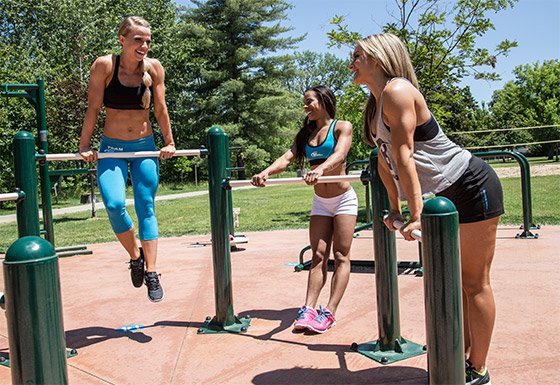
If you have someone in your life who is argumentative and stubborn, you may have to match their level of energy. One of my favorite quotes from author and motivational coach Jen Sincero is, "Tough love is still love." If you're pushed to the brink, you may have to be more honest than you'd planned.
Don't be mean, but, if you're in a relationship with someone who is ignoring their health, remind them that their choice affects the entire family. Make sure they at least see the bigger picture.
It's very difficult to see a loved one head down the wrong path or stray from potential greatness, but pouring your energy and support into someone who refuses to accept it is emotionally and spiritually exhausting. It can cause resentment in relationships and, ultimately, good intentions might even backfire.

Focus on your behavior and hope it rubs off on them. You can do what you can to foster changes and encourage healthy replacements for junk food, but this is the ultimate form of "blessing and releasing." Sometimes the most you can do is love someone and hope they'll find their own healthy lifestyle in their own time.
If things don't turn out as planned, don't feel defeated; sometimes, hearing "no" from someone refusing to make a change just means "not right now."
If you're someone who has undergone a transformation, you understand that this feeling of empowerment can be difficult to describe to others. It's deeply personal and makes your chest puff up with pride.
It's like you've been given a gift that you're just dying to help others unwrap for themselves. But what should you do when your life has changed for the better and someone you care about isn't onboard?
I get emails and texts from friends and family members all the time asking me questions like:
- "Abby, how do I get them to change their diet?"
- "How do I get them to start working out?"
- "I don't know how to address it without hurting their feelings."
There is no easy way to address these things with people you care about. It would be wonderful if Hallmark made cards that said "Hey, buddy, you should probably work out and stop hitting the drive-thru because I love you and don't want you to die," but they don't. It's a tough topic to handle with care and finesse.
The key here is making sure that you take a delicate approach. Sometimes wake-up calls only come on the brink of medical risk—a young person experiencing chest pains, an overweight man having difficulty catching his breath after climbing a flight stairs, or a young mother too out of shape to play with her kids for long periods of time.
The goal is to avoid these health scares by addressing issues from the get-go. Here are a few pointers to keep in mind as you have a serious health and weight-loss talk with someone you care about.
1. REALIZE THE POWER OF SELF-AWARENESS
Weight loss and body issues are incredibly personal. Most of the time, when you're making strides in health and wellness, people around you take a moment to reflect on their own behavior. Approaching them with an attitude and insisting that they're headed toward poor health will likely raise their defenses and lead to a standstill. If you know someone whose health is in jeopardy due to their poor diet or exercise habits, then they're likely already aware that they need to make a change. That change is what scares them to death.Think of the people in your life. Do you know anyone whose family tree is full of Type 2 diabetes, heart disease, and cancer, and yet they take no preventative steps? They're likely in denial and fear. It's that fear of failure or being uncomfortable that makes people dig their heels in and scream "No!" instead of embracing the help they so desperately need. At times like this, it's best to approach with reassurance, not confrontation.
Listen to their fears and hang-ups. If you're unsure of how to help them, try and talk with them about the steps needed to overcome fear , and listen with a sense of understanding.
2. BE A PILLAR OF SUPPORT AND A TEAMMATE
If you're uncomfortable directly addressing the issue with your loved one, consider suggesting that you start hitting the gym together after work or try cooking a meal from a new, clean-eating cookbook. Tell them that you're making a change and you need help and support. Encourage them to join BodySpace so that you can compare your daily activity. As a bonus, they may meet other newbies who can inspire and encourage them.Suggest you both attend a fitness class or a wellness seminar held at your gym to further your education. Suggest enrolling in transformation challenges with cash prizes for extra incentive. Reward yourselves with a cheat meal once a week.
If you're a couple, think about setting up a getaway weekend as a reward for sticking with it. Lifestyle changes are fun and uplifting. The hardest part for someone new is starting, so being their cheerleader and offering positive incentives can be crucial for their success.
3. ADDRESS YOUR CONCERN FROM A PLACE OF LOVE, NOT JUDGMENT
Choose your words carefully and lead with emotions that come from a caring place. You're concerned for their wellness, longevity, self-esteem, and happiness. You want them to feel happy and empowered. You want them to live freely while taking back control over their own body.Maybe this person has chronic knee, hip, or joint problems. Explain to them that minor changes in their diet and lifestyle will help them lose weight and ease the burden on their joints. Don't shine too bright of a light on their current state; deep down, they know. Instead, make it about how much better they can feel within a matter of weeks if they just take the reins.
If you have someone in your life who is argumentative and stubborn, you may have to match their level of energy. One of my favorite quotes from author and motivational coach Jen Sincero is, "Tough love is still love." If you're pushed to the brink, you may have to be more honest than you'd planned.
Don't be mean, but, if you're in a relationship with someone who is ignoring their health, remind them that their choice affects the entire family. Make sure they at least see the bigger picture.
4. LEAD BY EXAMPLE AND DON'T DWELL
You've heard it a million times: "You can lead a horse to water but you can't make them drink." Likewise, you can't force someone to make changes. All you can do is lead by example, be supportive of their endeavors, and then hope they make the right decisions.It's very difficult to see a loved one head down the wrong path or stray from potential greatness, but pouring your energy and support into someone who refuses to accept it is emotionally and spiritually exhausting. It can cause resentment in relationships and, ultimately, good intentions might even backfire.
Focus on your behavior and hope it rubs off on them. You can do what you can to foster changes and encourage healthy replacements for junk food, but this is the ultimate form of "blessing and releasing." Sometimes the most you can do is love someone and hope they'll find their own healthy lifestyle in their own time.
If things don't turn out as planned, don't feel defeated; sometimes, hearing "no" from someone refusing to make a change just means "not right now."
5 Ways to Push Through Your Resolutions
Every New Year, you tell yourself that things are going to be different. This time you are going to muffle the inner voice that coos you into weaknesses, like skipping the gym, gobbling up that lonely-looking bagel at work, or having just one last drink at Happy Hour. Alas, the year's just barely begun and you hear that devilish inner voice roaring louder than ever.
According to a study by Muraven and Baumeister in the "Psychological Bulletin," willpower is a finite resource and draws from the same resource pool as self-regulation. That's to say, decisions you make throughout the day—big or small—gradually chip away at your self-control. By the end of the day, it's natural to find the couch much more mesmerizing than a set of dumbbells. That's why it can be extra difficult to stay focused.
Thankfully, the following five strategies can help you triage your resolution-making and redirect your focus on the things that matter most. Hark, your ideal physique will be realized yet!
If so, take a hard look at your schedule once more. Find that sweet spot to avoid time conflicts and potential disruptions. For example, if your current plan has you speeding to the gym right after work but you end up compromising due to "things that come up," this timeslot clearly is not ideal.

Instead, hone in on a time in the day when you can consistently have a moment of Zen and are left with no excuses to avoid exercise. Try early mornings before work, school, or any other obligations.
People who complete workouts in the morning tend to stay better committed to their workout program and goals. They're also ready to tackle the rest of the day with gusto.
For example, if your goal includes massive strength gains, the standard protocol first calls for a large stimulus to the muscles in question through a weight-training program with proper load progression.
Although there are many cardiovascular and recovery benefits to steady-state cardio, it should have a smaller emphasis in your program, since excessive cardio could shuttle caloric usage elsewhere instead of toward muscle growth.
However, this could be one of the best investments you could make for yourself, if funds allow. First and foremost, they help you set a realistic goal, which is crucial to keeping you motivated.
Far too often, people get carried away with a goal like, "I want to fit in my Speedo from college." Trainers will help you refine your goal to something much more sustainable. Afterward, they provide structure, and an exercise program tailored to your fitness level and personal schedule.
Perhaps more important, hiring a trainer turns into personal accountability. Because you pay for this expert's time, showing up to your sessions becomes an obligation, not an option. You gain an ally, someone who will help you stay on track and wishes to see you through to the end.
Simply put: It's a lot easier to stay consistent when you've got a coach or trainer checking up on you.
Not doing so could rob you of motivation. It's all about positive reinforcement to keep your eyes on the prize. Celebrate little victories by rewarding yourself in whatever way you think is reasonable and appropriate.
Were you able to add 10 more pounds to your deadlift this week? Eat an extra helping of your favorite protein and tell yourself: "Body, you're awesome!"
Here you are more likely to commit since this micro-change stands within the margins of what you already do. In this case, you already eat breakfast—so why not just eat something that works toward your goal?
I hope you can apply some, if not all, of these steps and avoid having to discount another fruitful year.
Few people can be 100 percent committed 100 percent of the time. Don't be too hard on yourself when you slip. Remember that a setback is only a setback if you let it completely throw you off your horse.
Have you made a health-focused New Year's promise to yourself? Share it in the comments below and talk about your plan to overcome it!
According to a study by Muraven and Baumeister in the "Psychological Bulletin," willpower is a finite resource and draws from the same resource pool as self-regulation. That's to say, decisions you make throughout the day—big or small—gradually chip away at your self-control. By the end of the day, it's natural to find the couch much more mesmerizing than a set of dumbbells. That's why it can be extra difficult to stay focused.
Thankfully, the following five strategies can help you triage your resolution-making and redirect your focus on the things that matter most. Hark, your ideal physique will be realized yet!
1. FIND THE RIGHT WORKOUT SCHEDULE
Does it feel needlessly stressful to squeeze in a workout at your current proposed timeslot?If so, take a hard look at your schedule once more. Find that sweet spot to avoid time conflicts and potential disruptions. For example, if your current plan has you speeding to the gym right after work but you end up compromising due to "things that come up," this timeslot clearly is not ideal.
Instead, hone in on a time in the day when you can consistently have a moment of Zen and are left with no excuses to avoid exercise. Try early mornings before work, school, or any other obligations.
People who complete workouts in the morning tend to stay better committed to their workout program and goals. They're also ready to tackle the rest of the day with gusto.
2. MATCH YOUR WORKOUT AND NUTRITION WITH YOUR GOALS
Most people will agree that any exercise is better than no exercise. Ideally, though, you want a workout and nutrition program which drives you toward your goals.For example, if your goal includes massive strength gains, the standard protocol first calls for a large stimulus to the muscles in question through a weight-training program with proper load progression.
Although there are many cardiovascular and recovery benefits to steady-state cardio, it should have a smaller emphasis in your program, since excessive cardio could shuttle caloric usage elsewhere instead of toward muscle growth.
3. HIRE A TRAINER
For people who firmly believe in "making their own selves," enlisting the help of a professional might seem like a cop-out. After all, they do cost a shiny penny.However, this could be one of the best investments you could make for yourself, if funds allow. First and foremost, they help you set a realistic goal, which is crucial to keeping you motivated.
Far too often, people get carried away with a goal like, "I want to fit in my Speedo from college." Trainers will help you refine your goal to something much more sustainable. Afterward, they provide structure, and an exercise program tailored to your fitness level and personal schedule.
Perhaps more important, hiring a trainer turns into personal accountability. Because you pay for this expert's time, showing up to your sessions becomes an obligation, not an option. You gain an ally, someone who will help you stay on track and wishes to see you through to the end.
Simply put: It's a lot easier to stay consistent when you've got a coach or trainer checking up on you.
4. REMEMBER TO REWARD YOURSELF
Work hard, get rewarded. You're hardwired to look for a positive payout that doesn't make you feel like a chump for embarking on this journey to an ideal body. Whether that payout be in the form of a tangible reward, like a delectable treat or a massage; or visible progress ("Wow, my arm is so big now that my shirt may just rip!"), you need to be ready to sing the praises of your accomplishments, no matter how big or small.Not doing so could rob you of motivation. It's all about positive reinforcement to keep your eyes on the prize. Celebrate little victories by rewarding yourself in whatever way you think is reasonable and appropriate.
Were you able to add 10 more pounds to your deadlift this week? Eat an extra helping of your favorite protein and tell yourself: "Body, you're awesome!"
5. IF ALL ELSE FAILS, RE-EVALUATE YOUR GOAL
In the end, it all comes down to the parameters of the goal. Is it realistic or concrete enough? An ambitious goal like "I want to lose X number of pounds" offers far too little clarity on how to proceed. Think about a smaller-scale change like replacing a morning bagel with an omelet (or many other breakfast recipes found on Bodybuilding.com).Here you are more likely to commit since this micro-change stands within the margins of what you already do. In this case, you already eat breakfast—so why not just eat something that works toward your goal?
I hope you can apply some, if not all, of these steps and avoid having to discount another fruitful year.
Few people can be 100 percent committed 100 percent of the time. Don't be too hard on yourself when you slip. Remember that a setback is only a setback if you let it completely throw you off your horse.
Have you made a health-focused New Year's promise to yourself? Share it in the comments below and talk about your plan to overcome it!
5 Ways to Stay Motivated to Exercise Regularly
If losing pounds is as easy as journaling about what you put in your mouth, can you use the same technique to help you stick to a fitness routine?
Dieters who keep a food diary lose twice as much weight as those who kept no records, according to a recent study by Kaiser Permanente’s Center for Health Research. But while keeping a journal holds you more accountable for how you treat your body, sticking to a fitness routine is different from sticking to a healthy eating routine. Personal trainers we talked to recommend these tactics to keep you motivated and inspired to work out.
“At first I looked at it as time away from them, but I realized kids do what they see you doing,” she says. “Now both kids are very physically active.”
Bowling started thinking about her workouts at odd hours as a blessing rather than a sacrifice. She also found inspiration in others—looking outward for extra motivation. “Take inspiration from everyone you meet—even people who can’t be physically active,” she says. “It reinforces why I’m lucky.” Whether you need to hang an “I’m lucky” sticky note on the mirror, or you can see the power of health in your children’s eyes, committing to a fitness routine begins in your head.
“Set realistic goals that include clear milestones, and as you progress toward your goal, you’ll find a ripple effect occurs and things fall into place in your work, home life and health,” says Stacy Fowler, a Denver-based personal trainer and life coach.
The goal doesn’t even have to be an organized race. Maybe it’s a mission to fit into that bikini by the annual beach vacation or that old pair of jeans buried in your closet. Whatever it is is, define it, write it down and revisit it daily.
Make sure it’s realistic and you can actually adapt your life around meeting the goal, says Philip Haberstro, executive director of the National Association for Health and Fitness in Buffalo, N.Y. Otherwise you’re setting yourself up for failure. Bowling started with a mini triathlon in 2006 (250 yard swim, 10 mile bike ride and 3.5 mile run). This year she completed Ironman Wisconsin (2.4 mile swim, 112 mile bike ride and 26.2 mile run).
Tamira Cole, 24, a graduate student in Clarksville,Tenn., was motivated to exercise regularly by the energy boost it brought to her day. “It’s easy to stay in bed. But you have to set an alarm and take the extra initiative,” she says. “Then you’ll find you have more energy and can be more efficient throughout the day.”
If you convince yourself you’ll fit in a workout some time after that last meeting, once the kids go down for a nap or when your spouse arrives home on time, failure is certain. Chances are a last-minute invitation will come along; weather will foil a bike ride; or the kids won’t nap. Write your workout on your calendar, set up daycare, and rearrange things around this one hour as if were any other important appointment you have to keep. Or use technology like daily e-mail reminders, workout journaling websites or iPhone applications to keep you on task, says Haberstro.
Whether it’s a toning and sculpting class that changes choreography every week or a trail run that changes scenery every season, design your exercise routine around a variety of exercise methods. Make sure you include activities you truly enjoy and look forward to doing. Think movement that's more like recreation and makes you forget you're working out — like dancing, hula hooping or playing sports with family and friends.
Listen to your inner voice when choosing the best workout for you, says Fowler. Cole found a hip-hop class that satisfied her passion for dance. “I had more energy from dancing than I did from running,” she says.
Workout variety also challenges your body in unique ways, which may introduce you to new muscle groups you didn’t even know you had. Consider disciplines that give you more bang for your buck, suggests Haberstro. Ta’i chi and yoga, for example, serve dual purposes as mental therapy and physical activity. Or try a workout DVD to help you shake up your routine.)
“Exercising is built into our family life," Bowling adds. “We view it as a necessity. Sometimes it takes the place of watching TV together.”
For others, it’s finding a friend with a shared zest for running, and planning scheduled workouts together. It’s easy to hit the snooze button when it’s just you, but much harder to leave a friend waiting at the track.
Consider joining a social networking site or online community with fitness trainers and nutrition experts — and support from other people trying to lose weight and maintain healthy eating and exercise routines. People who get this kind of online support are proven to lose three times more weight than people going it alone.
Lobbying your workplace to offer on-site fitness, yoga or Pilates classes will also support your mission for a healthy lifestyle, Haberstro points out.
So start thinking of yourself as an athlete, and not a spectator. Set a goal, enlist a friend, mark it on your calendar and have some fun. You’ll be setting yourself up for a lifetime of better health, more happiness, and more energy for everything else in your life.

Dieters who keep a food diary lose twice as much weight as those who kept no records, according to a recent study by Kaiser Permanente’s Center for Health Research. But while keeping a journal holds you more accountable for how you treat your body, sticking to a fitness routine is different from sticking to a healthy eating routine. Personal trainers we talked to recommend these tactics to keep you motivated and inspired to work out.
1. Change your perspective
Shift your thinking from couch potato mentality to thinking like an athlete. This may sound like a big challenge, but it’s not as big a leap as you think. Essex, Massachusetts mom April Bowling, 33, stopped using her busy life as an excuse not to exercise. After the birth of her children (now ages 5 and 3), Bowling started viewing exercise as a way to set a strong example for her kids.“At first I looked at it as time away from them, but I realized kids do what they see you doing,” she says. “Now both kids are very physically active.”
Bowling started thinking about her workouts at odd hours as a blessing rather than a sacrifice. She also found inspiration in others—looking outward for extra motivation. “Take inspiration from everyone you meet—even people who can’t be physically active,” she says. “It reinforces why I’m lucky.” Whether you need to hang an “I’m lucky” sticky note on the mirror, or you can see the power of health in your children’s eyes, committing to a fitness routine begins in your head.
2. Set a goal
There’s nothing more motivating — sometimes even scary — than that first 5K looming in bold letters on the calendar. Register early and commit to an exercise program that will get you in shape by race day.“Set realistic goals that include clear milestones, and as you progress toward your goal, you’ll find a ripple effect occurs and things fall into place in your work, home life and health,” says Stacy Fowler, a Denver-based personal trainer and life coach.
The goal doesn’t even have to be an organized race. Maybe it’s a mission to fit into that bikini by the annual beach vacation or that old pair of jeans buried in your closet. Whatever it is is, define it, write it down and revisit it daily.
Make sure it’s realistic and you can actually adapt your life around meeting the goal, says Philip Haberstro, executive director of the National Association for Health and Fitness in Buffalo, N.Y. Otherwise you’re setting yourself up for failure. Bowling started with a mini triathlon in 2006 (250 yard swim, 10 mile bike ride and 3.5 mile run). This year she completed Ironman Wisconsin (2.4 mile swim, 112 mile bike ride and 26.2 mile run).
3. Schedule a regular workout time
Some of the most committed exercisers do it every day before the sun comes up or late at night when the kids are in bed. Sit down with your weekly schedule and try to build in an hour each day to be good to your body.Tamira Cole, 24, a graduate student in Clarksville,Tenn., was motivated to exercise regularly by the energy boost it brought to her day. “It’s easy to stay in bed. But you have to set an alarm and take the extra initiative,” she says. “Then you’ll find you have more energy and can be more efficient throughout the day.”
If you convince yourself you’ll fit in a workout some time after that last meeting, once the kids go down for a nap or when your spouse arrives home on time, failure is certain. Chances are a last-minute invitation will come along; weather will foil a bike ride; or the kids won’t nap. Write your workout on your calendar, set up daycare, and rearrange things around this one hour as if were any other important appointment you have to keep. Or use technology like daily e-mail reminders, workout journaling websites or iPhone applications to keep you on task, says Haberstro.
4. Think fun and variety
By nature, humans need change and variety to stay motivated. We also need to have fun — even while we’re working hard. Do both!Whether it’s a toning and sculpting class that changes choreography every week or a trail run that changes scenery every season, design your exercise routine around a variety of exercise methods. Make sure you include activities you truly enjoy and look forward to doing. Think movement that's more like recreation and makes you forget you're working out — like dancing, hula hooping or playing sports with family and friends.
Listen to your inner voice when choosing the best workout for you, says Fowler. Cole found a hip-hop class that satisfied her passion for dance. “I had more energy from dancing than I did from running,” she says.
Workout variety also challenges your body in unique ways, which may introduce you to new muscle groups you didn’t even know you had. Consider disciplines that give you more bang for your buck, suggests Haberstro. Ta’i chi and yoga, for example, serve dual purposes as mental therapy and physical activity. Or try a workout DVD to help you shake up your routine.)
5. Reach out to others for support
In America, some tend to have trouble asking for help, says Bowling. Yet in order to stick to a fitness program, we need buy-in and encouragement from other people.“Exercising is built into our family life," Bowling adds. “We view it as a necessity. Sometimes it takes the place of watching TV together.”
For others, it’s finding a friend with a shared zest for running, and planning scheduled workouts together. It’s easy to hit the snooze button when it’s just you, but much harder to leave a friend waiting at the track.
Consider joining a social networking site or online community with fitness trainers and nutrition experts — and support from other people trying to lose weight and maintain healthy eating and exercise routines. People who get this kind of online support are proven to lose three times more weight than people going it alone.
Lobbying your workplace to offer on-site fitness, yoga or Pilates classes will also support your mission for a healthy lifestyle, Haberstro points out.
So start thinking of yourself as an athlete, and not a spectator. Set a goal, enlist a friend, mark it on your calendar and have some fun. You’ll be setting yourself up for a lifetime of better health, more happiness, and more energy for everything else in your life.
Source: http://life.gaiam.com/article/5-ways-stay-motivated-exercise-regularly
10 Ways to Boost Your Exercise Motivation
You know exercise is good for you. Doing it, though, is another thing.
To stick with an exercise routine, you need to get out there when that little voice inside you says, "I'll do that tomorrow. Or the day after -- maybe."
Motivation does that, and it's not about just powering through.
Beginners "want to go for maximal goals, but they tend to get overwhelmed," says Gerald Endress, exercise physiologist at Duke Center for Living in North Carolina.
So don’t start off trying to work out an hour every day. Instead, set more reasonable, achievable goals, like exercising 20 to 30 minutes two or three times a week.
Don’t let a misstep be an excuse for giving up.
Don’t compare yourself to them, Endress says. Forget about them. Do not let them deter you from your goal. Your workout time is for you, and about you.
"The person should be in support, but not say, 'Why can’t you? It’s so easy,'" says Carla Sottovia of Cooper Aerobics in Dallas. If helpful reassurance turns into criticism, gently remind your pal that you don’t need nagging.
Choose rewards like a new outfit, a massage, new tunes, a ball game -- whatever you enjoy.

Source: http://www.webmd.com/fitness-exercise/features/exercise-motivation
To stick with an exercise routine, you need to get out there when that little voice inside you says, "I'll do that tomorrow. Or the day after -- maybe."
Motivation does that, and it's not about just powering through.
1. Lighten Up Your Goals
Your fitness goal may be too big for you right now, especially if you're new to exercise.Beginners "want to go for maximal goals, but they tend to get overwhelmed," says Gerald Endress, exercise physiologist at Duke Center for Living in North Carolina.
So don’t start off trying to work out an hour every day. Instead, set more reasonable, achievable goals, like exercising 20 to 30 minutes two or three times a week.
2. Track Your Progress
Chart your workouts, whether you do it online or in an old-school fitness journal. Seeing improvements, whether running faster, doing more reps, or working out more often, makes you want to keep going.3. Delete Guilt
Get real. You're going to miss a day or two. If you accept that there will be some side steps on your fitness journey, you’ll be better prepared mentally to deal with setbacks, Endress says.Don’t let a misstep be an excuse for giving up.
4. Focus Only On Yourself
There will always be someone fitter, faster, or more flexible than you.Don’t compare yourself to them, Endress says. Forget about them. Do not let them deter you from your goal. Your workout time is for you, and about you.
5. Get a Cheering Squad
Find people -- friends, family, co-workers, neighbors -- who will encourage you to stay on track. Ask them to do exactly that."The person should be in support, but not say, 'Why can’t you? It’s so easy,'" says Carla Sottovia of Cooper Aerobics in Dallas. If helpful reassurance turns into criticism, gently remind your pal that you don’t need nagging.
6. Find the Fun in It
If you can't get motivated, maybe you're doing the wrong activity. Or you used to like it, and now it's gotten stale. Pick activities you like the most, and they become something to look forward to. Remember, exercise does not have to happen in a gym. Maybe you'd rather go hiking or horseback riding, do a charity run or walk, or dance.7. Break It Up
Talk yourself into exercising for a few minutes. You may want to keep going. If not, you can do a couple more mini-sessions during the day, instead of one long workout.8. Make It Convenient
When you're busy, don't spend 30 minutes driving to a gym. Use online exercise videos instead. If you're too tired to work out at the end of the day, set your alarm a little earlier and exercise in the morning.9. Forget the Past
So maybe you weren’t the most athletic kid in high school and were the last chosen for class games. That was years ago. Your goal now is not to win a letter jacket or make the cheerleading squad. You want to exercise to stay healthy and enjoy your life.10. Reward Yourself
Treat yourself for working out.Choose rewards like a new outfit, a massage, new tunes, a ball game -- whatever you enjoy.
Source: http://www.webmd.com/fitness-exercise/features/exercise-motivation
Subscribe to:
Comments (Atom)
Popular Posts
-
To use rope-jumping for fitness, you need to be skilled enough to jump continuously for twenty to thirty minutes, and jumping that long and ...
-
Of no other fat-loss activity -- eating less, walking on a treadmill, doing sit-ups -- can it be said that participants eagerly count the mi...
-
Some of the weight loss articles out there these days are getting a little nutty. New scientific studies that shed light on how metabolism w...
-
Aging does not cause you to lose muscles. Loss of muscle is caused by lack of exercise. You can preserve both muscle size and strength by co...
-
Athletes tend to push themselves 120 percent while exercising because their main objective is to jump higher, run faster or become stronger....


